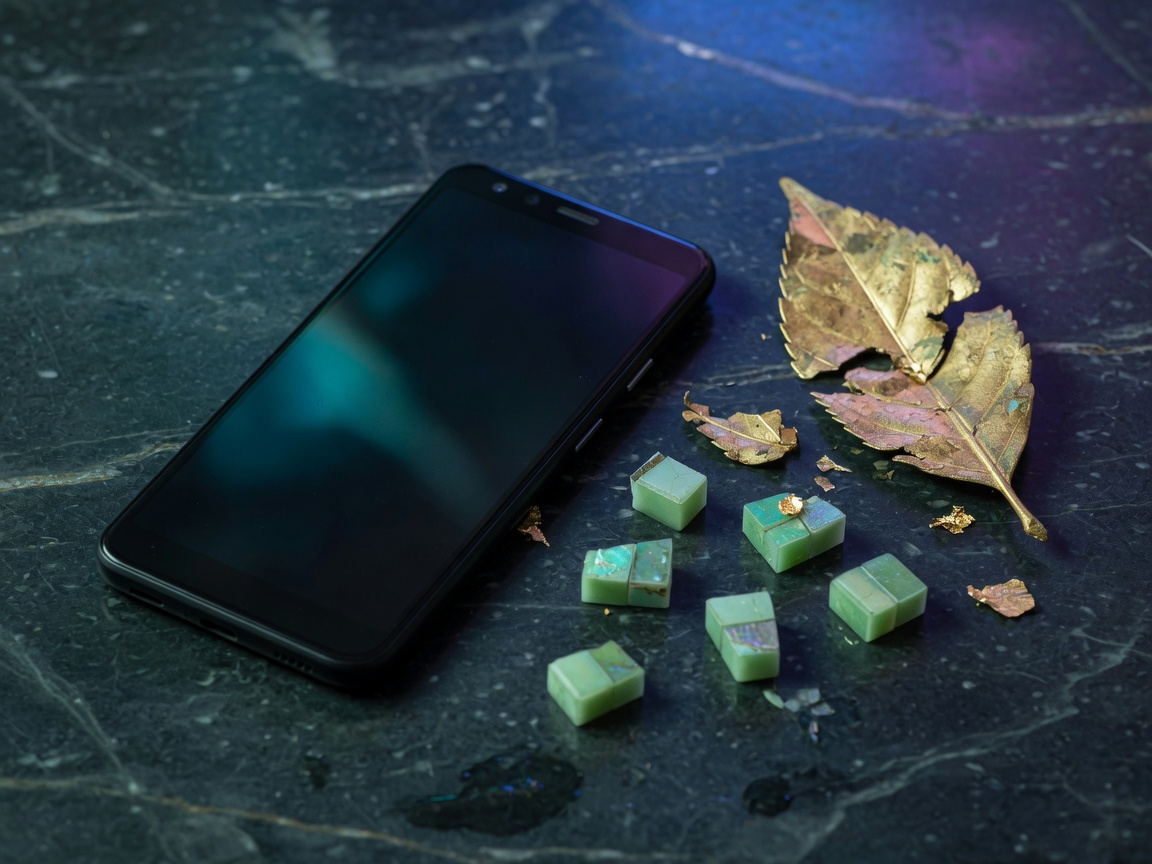
Maximus the general who never drops a session
A native SSH client built around real tmux control mode, made for a phone. Windows become tabs. Panes become splits. Mosh is the cavalry that rides through tunnels, trains, and a pocket.

tmux, as it should be
Maximus speaks tmux -CC. Remote windows are native tabs. Panes are native splits you can resize with a finger. Type tmux -CC in a plain shell and the session morphs into chrome; leave control mode and the scrollback is still there.
Prefix-key theatre is for tourists. This is control mode: layout round-trip, coloured hydration, pause-mode backpressure, and a status line that belongs to the server.
Active
Saved hosts
Attach once. The inventory survives a kill, a reboot, a tunnel. Double-attach is detected; a desktop client and Maximus in the hand can share a session without stepping on each other.
Extra keys sit under the grid — Esc, Ctrl, Alt, arrows — so a software keyboard can still drive vim. The last live rows stay above the bar.
Mosh, the cavalry
When the road goes into fog, SSH waits and dies. Mosh keeps a local screen and a UDP heartbeat. Maximus ships a Rust implementation of the state synchronization protocol, talking to stock mosh-server 1.3 and 1.4.
Roaming, screen-off, a train under a hill: the camp does not pack up. tmux is still the source of truth for windows. Mosh is how the messenger gets through.
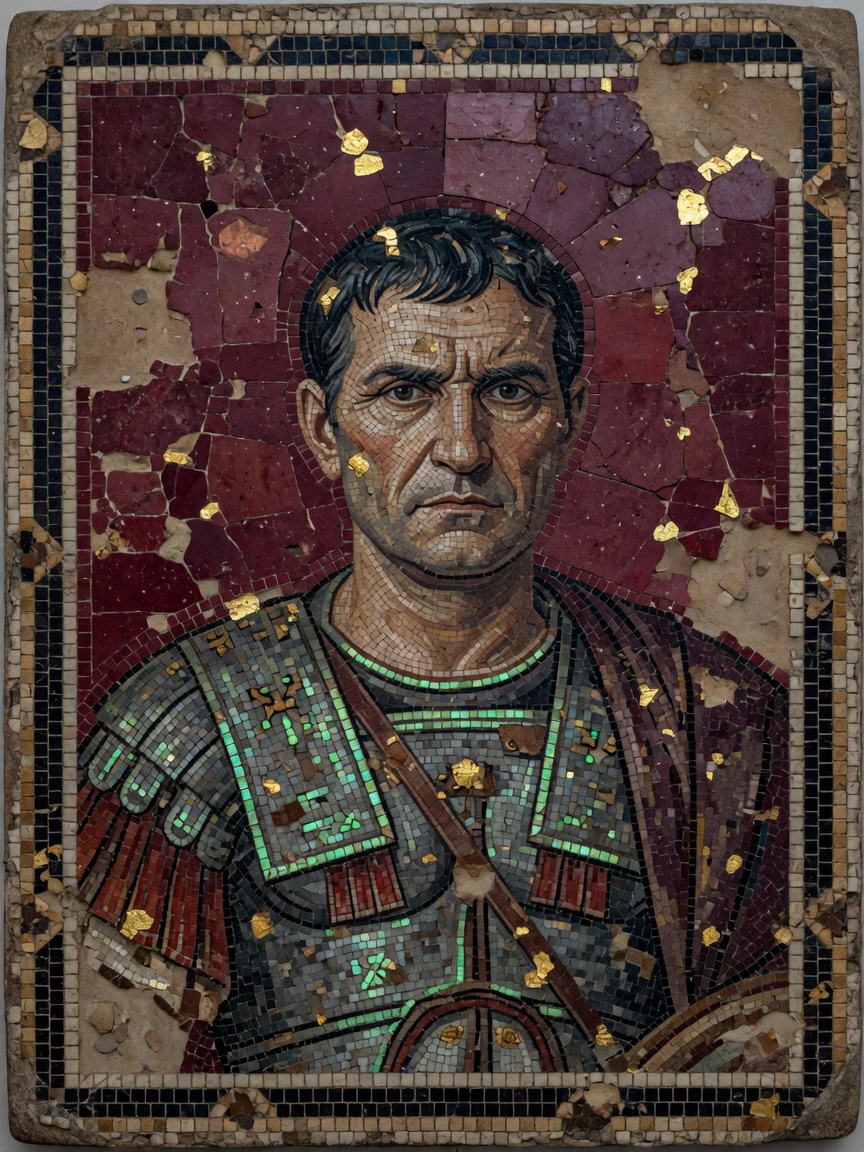
Native on Android and iOS. Shared Rust core behind UniFFI: emulator, SSH, tmux engine, mosh. Kotlin and Swift only dress the legion.
Android holds the connection in a foreground service. iOS is honest about suspension — mosh stays resident if the process lives; tmux rehydrates the rest.
From the field
Tabs, splits, extra keys, a host list that does not lie about “connected.” The phosphor is the same mint as the mark.
Active
Saved hosts
No connections yet
Add a host. Sessions keep running in the background and reconnect when the network moves.
Coming soon
Maximus is coming soon to the App Store and Google Play.